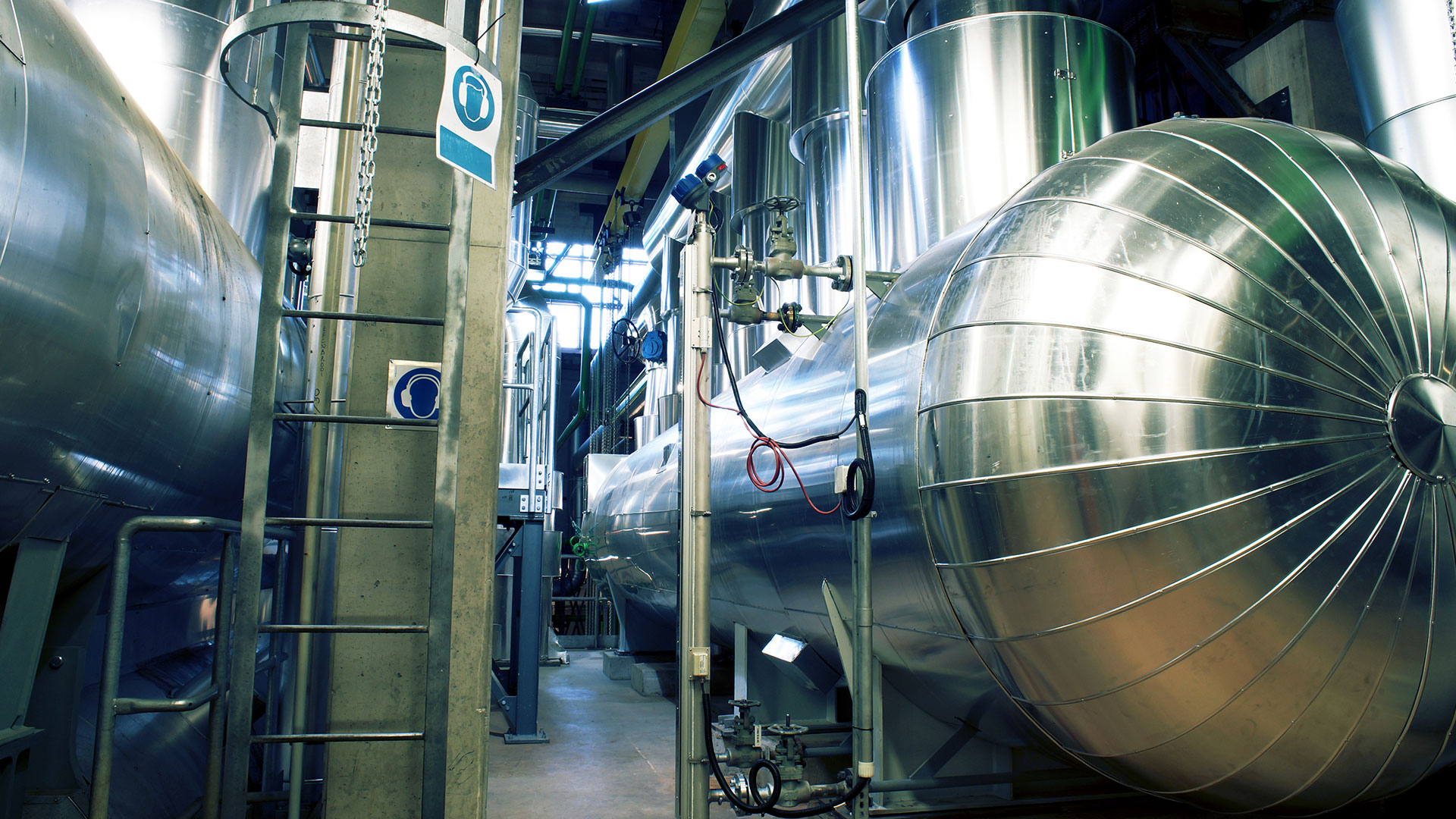
Pressure equipment is an essential components throughout the oil and gas, petrochemical, manufacturing, and industrial sectors. Designed to safely contain liquids or gases under pressure, these assets operate in demanding environments where deterioration can occur over time. Routine inspections help identify potential issues before they become safety hazards or operational disruptions.
Why Pressure Equipment Inspections Are Critical
Pressure equipment experience continual stress from pressure cycles, temperature fluctuations, corrosion, vibration, and environmental conditions. Even properly designed equipment can develop defects as it ages.
Common inspection findings include:
- Internal corrosion
- External corrosion under insulation (CUI)
- Cracking
- Pitting
- Weld deterioration
- Mechanical damage
- Wall thickness loss
Detecting these conditions early allows repairs to be planned before failures occur.
Meeting Industry Standards
Pressure equipment inspections must comply with recognized industry codes and provincial regulations. Depending on the application, inspections may follow standards including:
- API 510
- ASME Boiler and Pressure Equipment Code
- Alberta Pressure Equipment Safety Regulation
- CSA requirements where applicable
Inspection intervals are based on operating conditions, previous inspection history, corrosion rates, and risk assessments.
Modern Inspection Techniques
Today’s inspections utilize a variety of non-destructive examination (NDE) methods to evaluate pressure equipment condition without causing damage.
These may include:
- Ultrasonic thickness testing
- Visual inspections
- Magnetic particle testing
- Dye penetrant testing
- Remote visual inspection
- Digital reporting and asset documentation
Combining multiple inspection methods provides a more comprehensive understanding of equipment health.
Supporting Reliability and Compliance
Routine inspections do far more than satisfy regulatory requirements. They provide valuable information that helps organizations:
- Reduce unplanned shutdowns
- Improve maintenance planning
- Extend equipment life
- Increase worker safety
- Support integrity management programs
- Protect capital investments
Reliable inspection data allows maintenance decisions to be based on actual asset condition rather than assumptions.
At MWS Integrity Solutions, our experienced inspectors work closely with clients to deliver accurate assessments that support safe operations and long-term asset performance. By identifying issues early, organizations can reduce risk while maximizing the reliability of their pressure equipment.