Modern inspection technology has transformed how industrial assets are evaluated. Remote Video Inspection (RVI) allows inspectors to safely examine difficult-to-access equipment without extensive dismantling or unnecessary downtime.
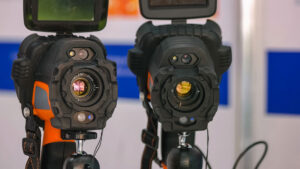
Using high-definition cameras, flexible borescopes, robotic crawlers, and specialized lighting, inspectors can assess internal conditions while minimizing disruption to operations.
What Can Remote Video Inspection Be Used For?
Remote video inspection is commonly used to evaluate:
- Pipelines
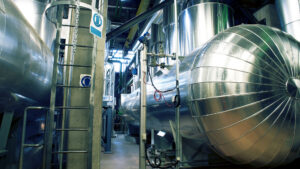
- Pressure vessels
- Heat exchangers
- Boilers
- Tanks
- Process piping
- Mechanical equipment
- Underground infrastructure
The technology provides detailed visual information that can be recorded, documented, and reviewed as part of an integrity management program.
Advantages Over Traditional Inspections
Many internal inspections previously required equipment removal, confined space entry, or lengthy shutdowns.
Remote video inspection offers several advantages:
- Reduced downtime
- Improved worker safety
- Lower inspection costs
- High-definition documentation
- Faster condition assessments
- Better maintenance planning
Because inspections can often be completed with minimal disruption, organizations gain valuable information while maintaining operational efficiency.
Supporting Risk-Based Maintenance
Remote video inspection works best when combined with other integrity assessment methods, including ultrasonic testing, corrosion monitoring, and pressure equipment inspections.
Together, these inspection techniques help operators:
- Identify developing defects
- Monitor corrosion progression
- Verify repairs
- Plan maintenance activities
- Reduce operational risk
- Support regulatory compliance
Rather than reacting to equipment failures, organizations can make informed decisions using real inspection data.
Investing in Smarter Asset Management
As industrial infrastructure continues to age, inspection programs must become increasingly proactive. Remote video inspection provides a cost-effective way to gather accurate condition information while reducing exposure to hazardous environments.
At MWS Integrity Solutions, we utilize advanced remote inspection technologies to help clients evaluate critical infrastructure safely and efficiently. By combining experienced inspectors with modern inspection equipment, we provide actionable insights that support safer operations, improved reliability, and better long-term asset management.